
This authentic Puerto Rican Coquito is a creamy coconut and rum cocktail flavored with warm holiday spices. My version begins with a homemade spice tea instead of just blending ground spices into the drink. This step– handed down by my matriarchs– gives the coquito a deeper spiced flavor without making the drink gritty or muddy.
I’ll teach you all my family secrets for achieving a smooth but potent batch of coquito. This drink is a must for any Puerto Rican holiday celebration and one that excites even non-Puerto Ricans. You’ll be ready to bottle and gift (or keep) the smoothest, most popular coquito recipe on the internet in no time at all.
This recipe was updated in September 2026 to include a quick video and a link to my YouTube video!
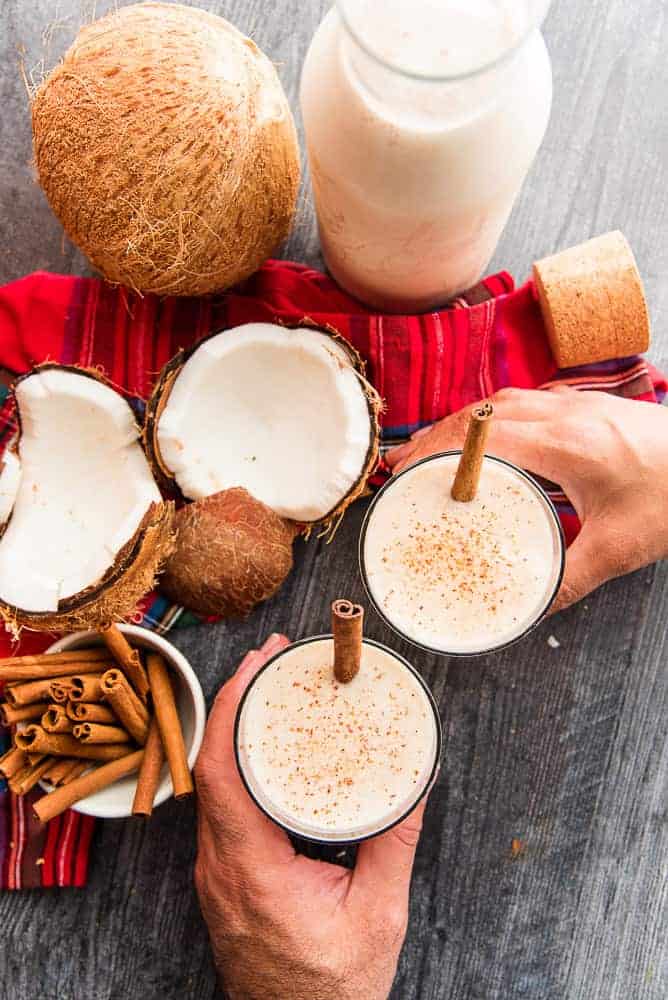
What Is Coquito?
Coquito originated in Puerto Rico, though many other Caribbean islands serve a version of it. Haiti has cremas, Trinidad and Tobago has coconut ponche de creme, and Jamaica has coconut rum punch. Coquito is popular in the Spanish-speaking Caribbean, with many different versions of the recipe. Mine is the best, though.
Coquito means “little coconut” in Spanish and is a holiday drink typically served from Thanksgiving through Three Kings Day (Dia de los Reyes) in Puerto Rico and other parts of the Caribbean. Though it’s most often served during the holiday season, you can serve it any time of the year. The original coquito recipe was an alcoholic beverage made with fresh coconut milk and pitorro (cane sugar moonshine). Sugar cane smoothed out the burn from the pitorro.
Around Halloween, Puerto Ricans start brewing a big batch of coquito so it has time to cure for their holiday parties. This coconut-based drink, along with many of our traditional foods, is a staple at every family gathering. Christmas time, especially, is when you’ll see us enjoying a glass of cold coquito (maybe two or three).
Does Authentic Coquito Contain Eggs?
Some people call it a “Puerto Rican eggnog,” but that’s inaccurate because authentic Puerto Rican coquito doesn’t contain eggs. You can turn it into a coconut eggnog with rum, but authentic coquito isn’t made with eggs. In Puerto Rico, adding eggs to coquito turns it into ponche. That said, each family has their own recipe, which may or may not contain eggs.
What Ingredients Do You Need to Make Coquito?
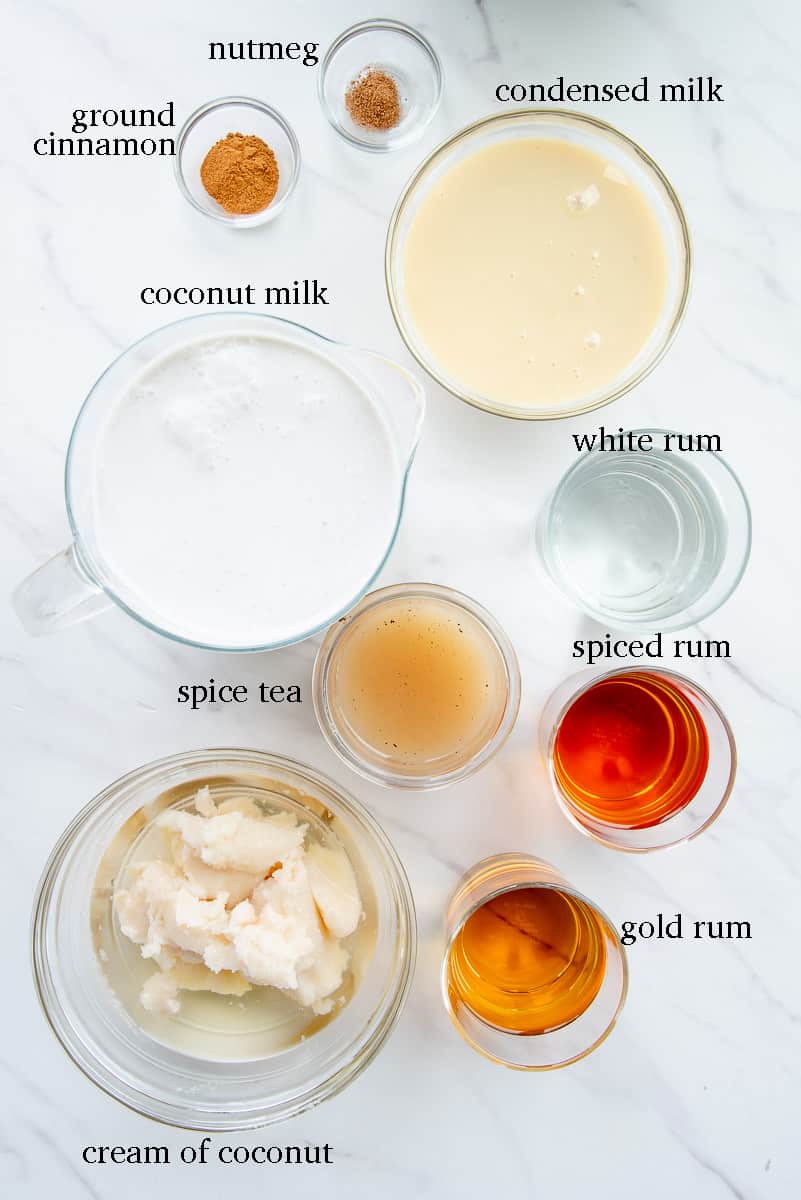
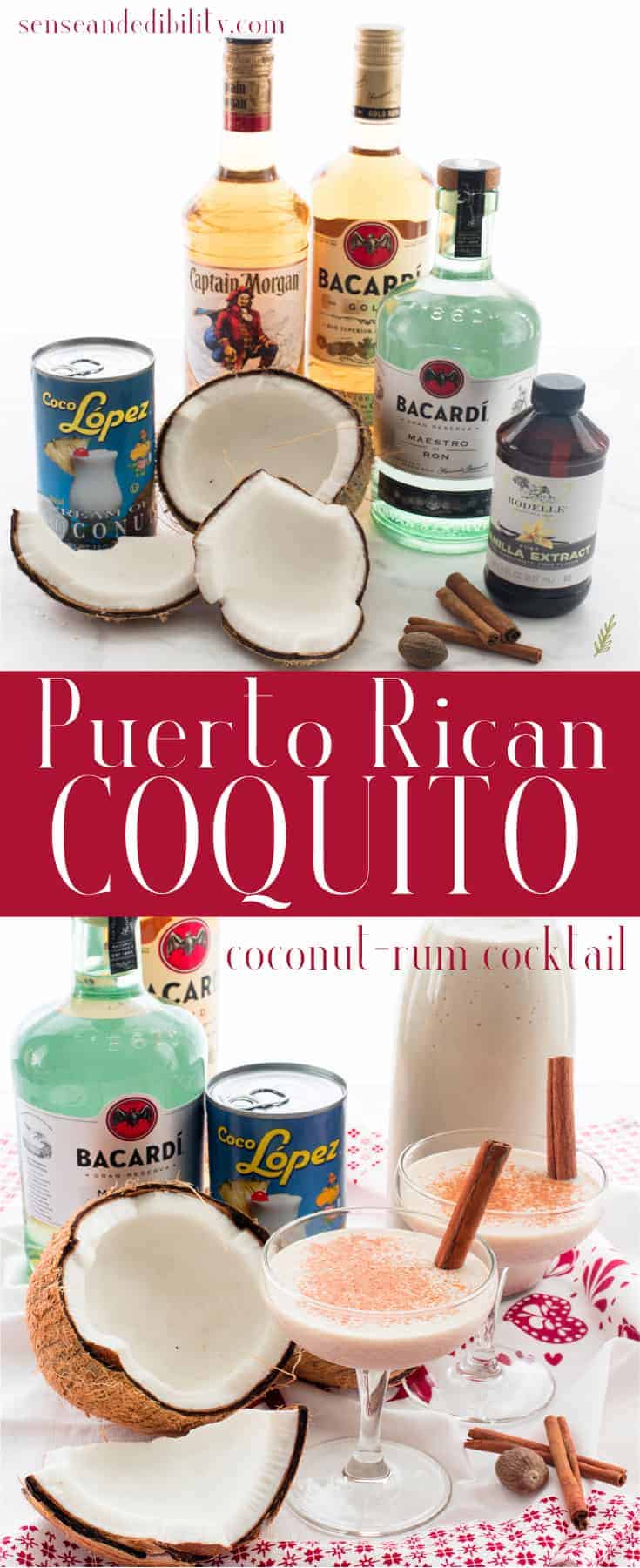
The main ingredients in this coquito recipe are full-fat coconut milk, a spice tea, cream of coconut, sweetened condensed milk, light rum, gold or dark rum, spiced rum, pure vanilla extract (optional), ground cinnamon, and ground nutmeg.
The best way to make coquito is with freshly squeezed coconut milk because it gives it a smoother, less viscous taste than one made with a ton of canned milk. That said, if you don’t have the time or desire to make coconut milk at home, you can use evaporated coconut milk from the can.
Additionally, you a make this an alcohol-free coquito, a vegan version, or a dairy-free coquito. I’ll walk you through all of them.
Why I Make A Spice Tea
I grew up with Mami making a spice tea to flavor her coquito. As a result, I’ve become slightly snobbish about the appearance of it.
Flavoring the coquito with a warm spice tea adds extra flavor while keeping an appealing milky-white color. If you add the same amount of spices– in their ground form– the coquito will be murky and form a sludge at the bottom of the glass bottle.
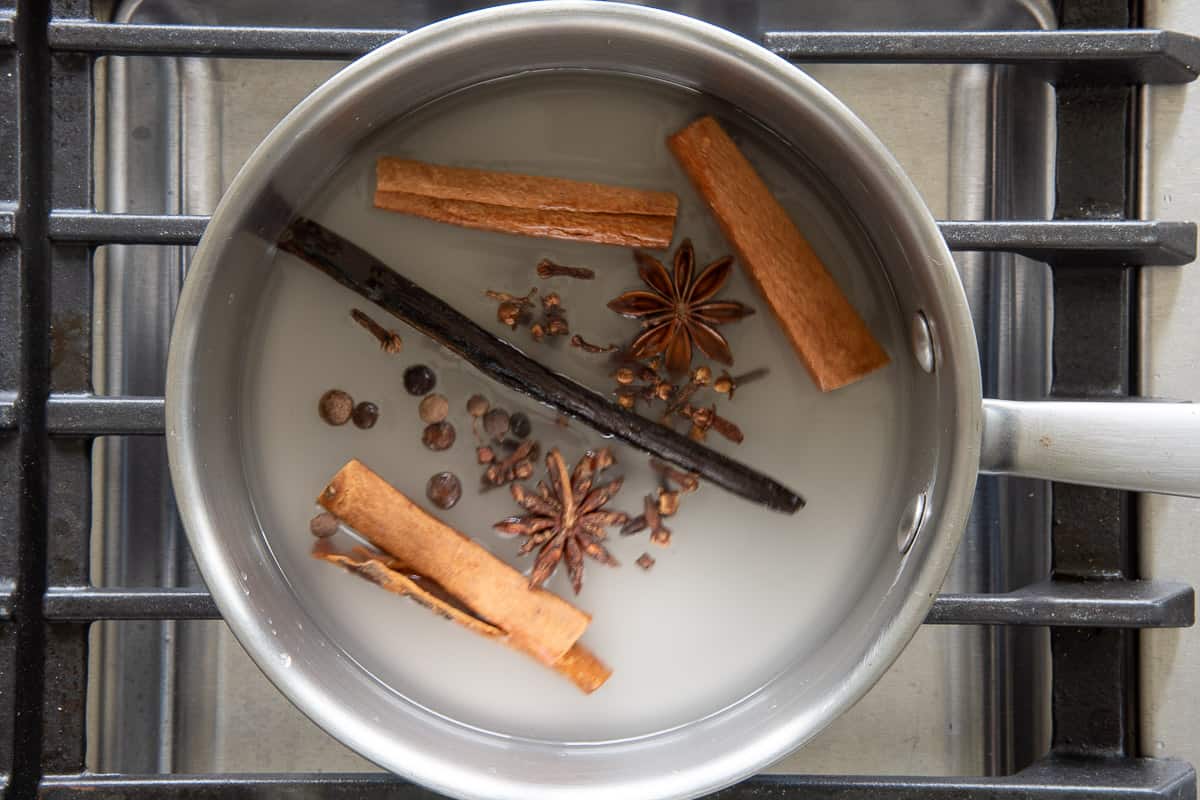
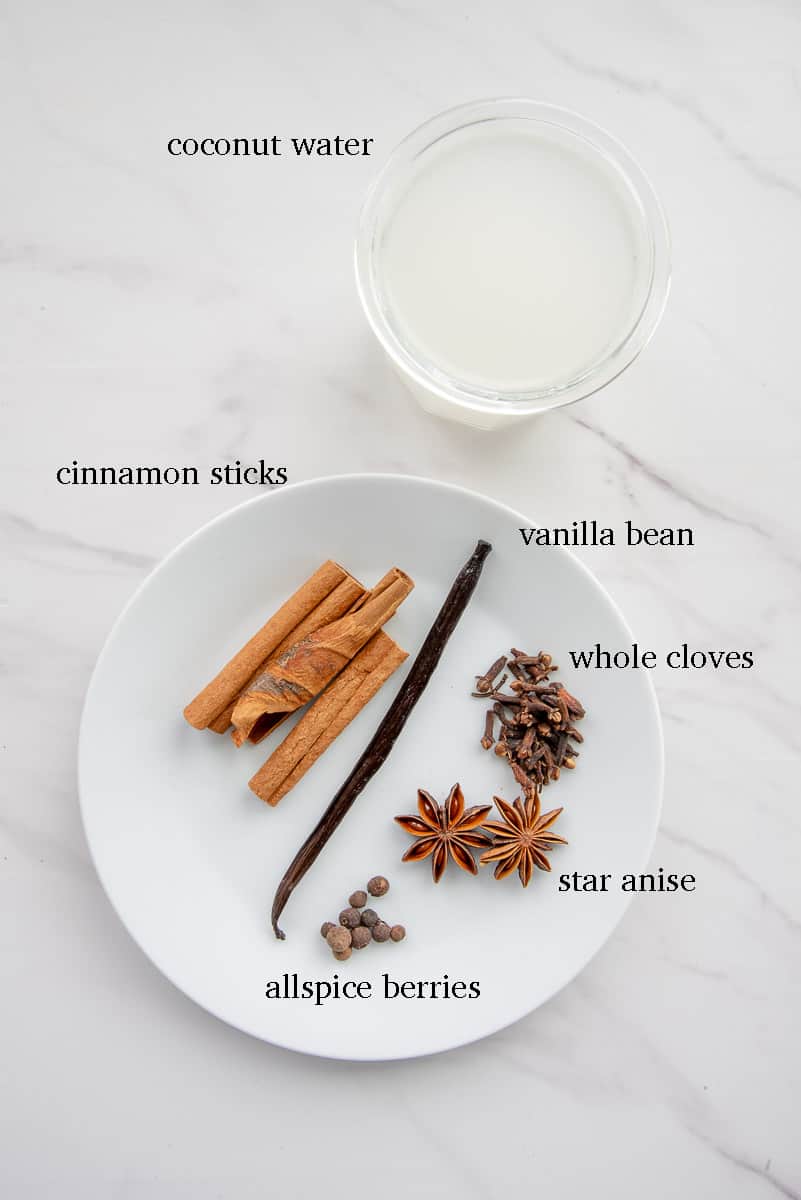
Add coconut water, one large cinnamon stick (or 3 small sticks), star anise, whole cloves, allspice berries, and a split vanilla bean to a pot. You can omit the vanilla bean if you don’t have one and add vanilla extract to the blender with the rum later.
You can also use a box of coconut water if you don’t have fresh, or you can replace it with plain water. Bring the water to a boil over high heat and boil for 2 minutes. Turn off the heat and let the spices steep in the hot water for 10-15 minutes.
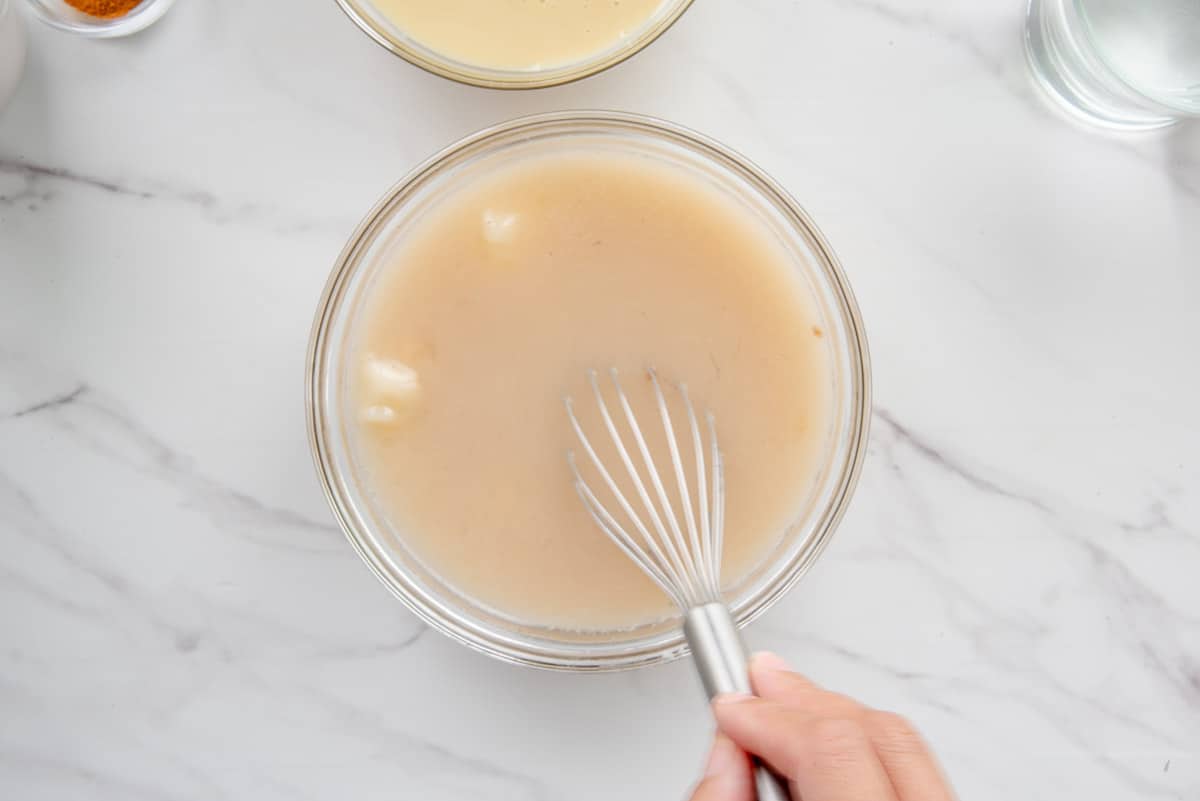
After steeping for 10 minutes, strain the tea into a blender and add the cream of coconut.
PRO TIP: if you plan to add eggs to your coquito, temper them with the warm tea but whisking 1/4 cup of the tea into the beaten eggs. Return the eggs to the saucepan and heat them on low heat for 1 minute, stirring constantly. Then, add this mixture to the cream of coconut.
IIt helps if the spice tea is still warm, so it can melt the fat cap that usually tops the cream of coconut. If your tea feels cool to the touch, heat it again until it steams, then add it to the blender or a bowl with the cream of coconut. Gradually whisk in the warm tea into the egg yolks, if you’re adding them, now, as well. Press the paste from the vanilla bean into the tea in the blender after straining the spice tea into the blender.
I prefer to use Coco Lopez cream of coconut because it has a prominent, less tinny coconut flavor. Cream of coconut is not the same as a can of coconut cream. The latter contains no sugar, whereas the cream of coconut is sweetened, so don’t make the mistake of using that.
How Do I Make Coquito?
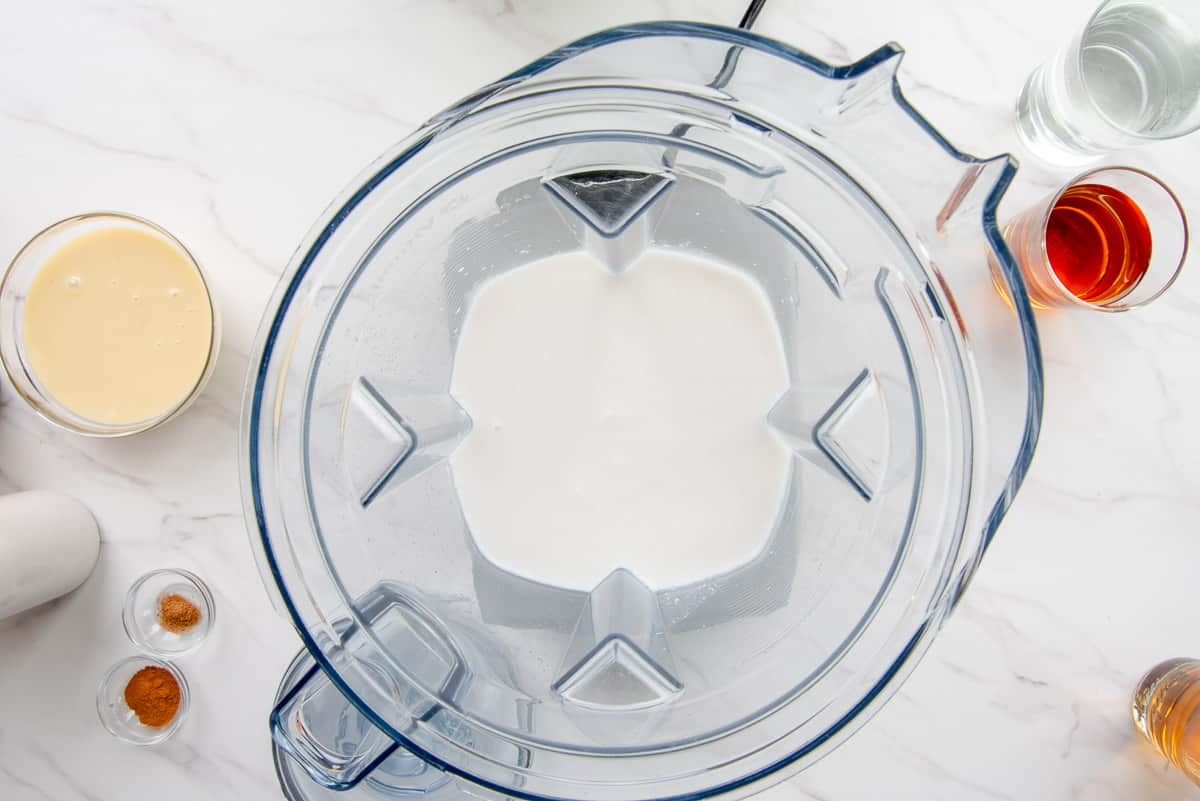
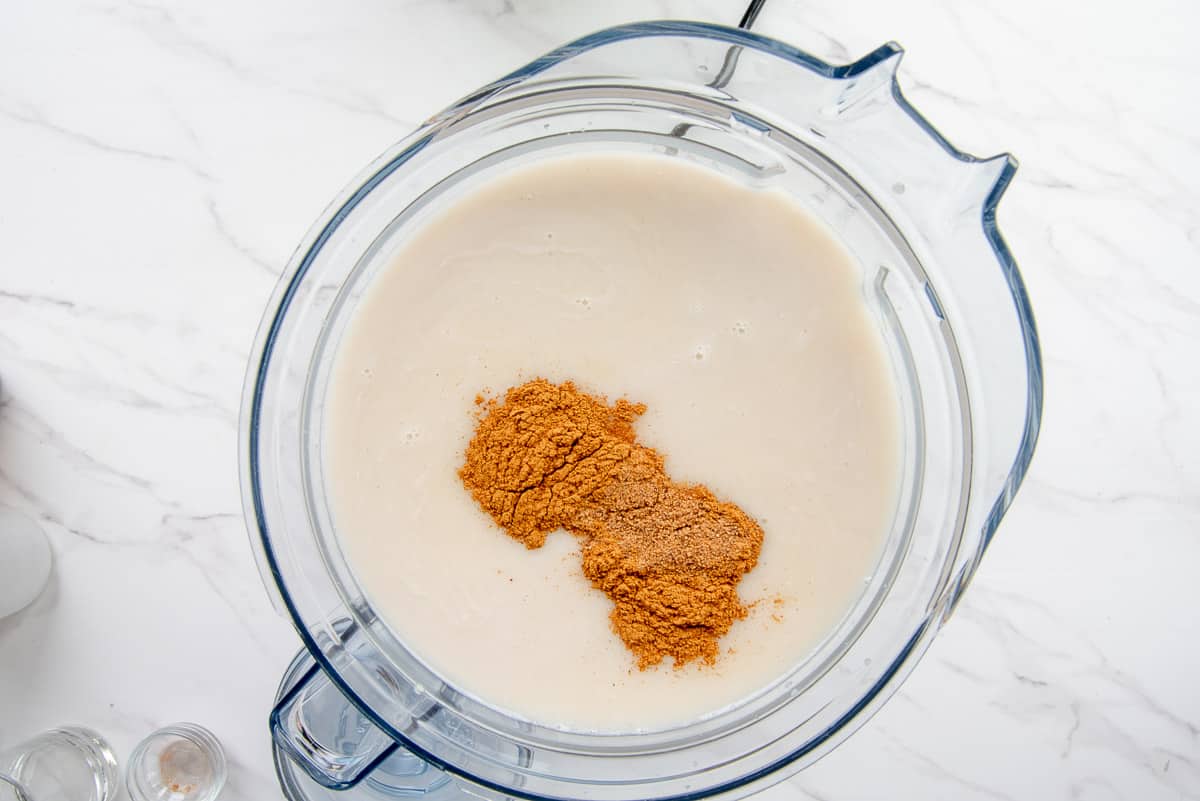
Add the coconut milk, condensed milk, all three rums, ground cinnamon, and the nutmeg to the blender with the spice tea and cream of coconut.
Blend the ingredients for 1 minute on medium-low speed until smooth.
Blend the ingredients for 1 minute on medium-low speed until smooth.
How Do I Make Dairy-Free or Vegan Coquito?
To make dairy-free or vegan coquito, replace the sweetened condensed milk with condensed coconut milk. You can use soy milk, almond milk, or oat milk if you decide to replace the canned coconut milk in this recipe with evaporated milk. I would stick with coconut milk since it keeps it dairy-free (and vegan) without a bunch of replacements.
Don’t add eggs if you want a vegan coquito recipe.
Do I Have To Use Three Different Rums?
You can replace the gold and spiced rum in this recipe with light rum if you prefer to keep it simple. I prefer the complex flavors the darker rums add to the coquito, so I always use them.
You can also make a more potent version by using 151. This type of rum is an overproofed spirit and will add more kick. Coquito should be made with Puerto Rican rum or, at the very least, a Caribbean rum. Palo Viejo, Don Q, Ron del Barrilito, or Bacardí are rums made in Puerto Rico, although the latter is a Cuban-born rum.
Can I Make Coquito Alcohol-Free?
To make virgin coquito, replace the rum with more coconut milk, half coconut milk and half coconut water (or regular water), or more spice tea. Virgin coquito has a shorter shelf life because there’s no alcohol to ward off bacteria. You’ll have to consume the virgin drink within 7 days of making it.
I recommend storing it in the refrigerator, not the refrigerator door, to extend its life. Constant fluctuations from opening and closing the fridge door speed up spoilage.
Why Is My Coquito Lumpy or Foamy?
The chunks (or lumps) in the coquito are from coconut fat in the cream of coconut. You see that layer of fat when you open up some cans of cream of coconut. Shaking the can of cream of coconut and warming it with the spice tea will reduce the lumps in your coquito.
The foam comes from additives in the canned milk and the fat in the coconut milk getting agitated in the blender. If the foam bothers you, you can strain the coquito into new bottles after curing it.
How Do I Store It?
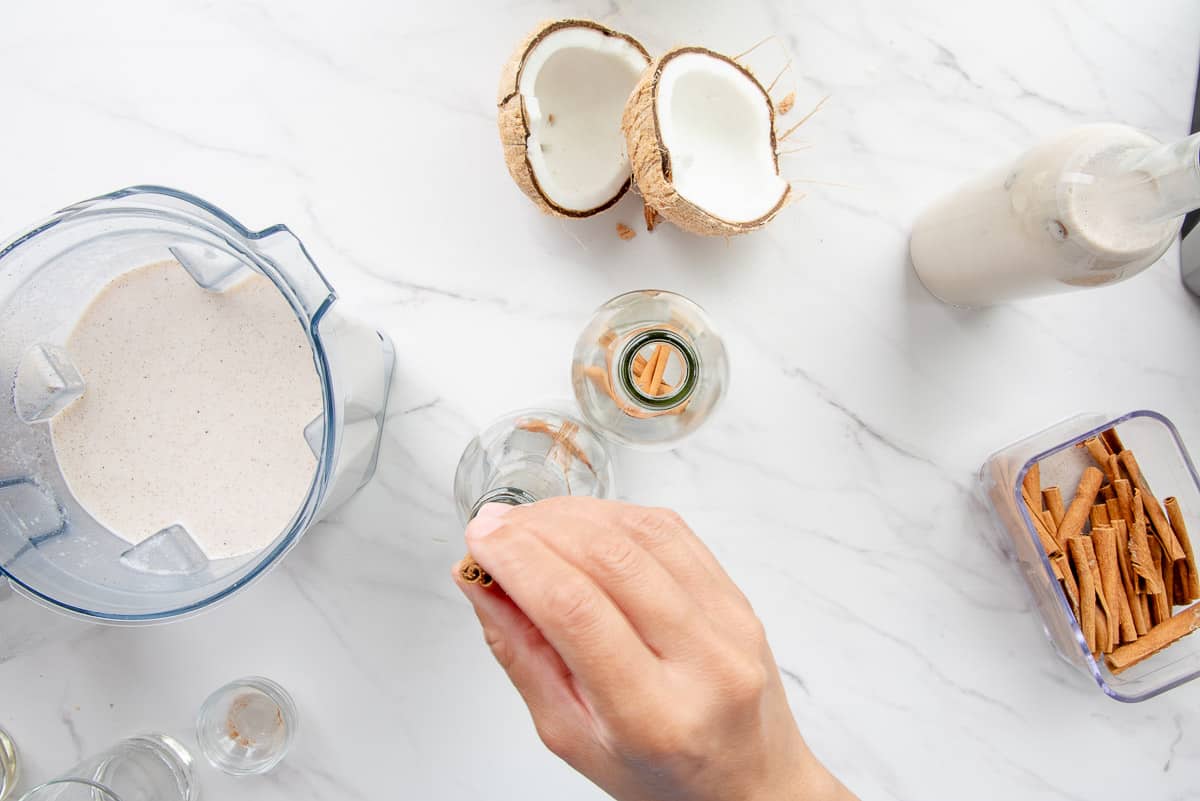
The best thing about this recipe is that it almost fills three 750-milliliter bottles. I store mine in wine bottles that I buy from a local home brewing supply store or online. Using a decorative, airtight glass bottle is a fun way to gift this coquito to your friends and family, too. Most people couldn’t care less about decorative bottles; they care more about what’s in them.
Sanitize the bottles by pouring in hot water and leaving them for 10 minutes.
I add two or three cinnamon sticks to my bottles because cinnamon is a prominent flavor in coquito. Empty the bottles, then add two or three cinnamon sticks. You can omit them if you don’t keep cinnamon sticks on hand.
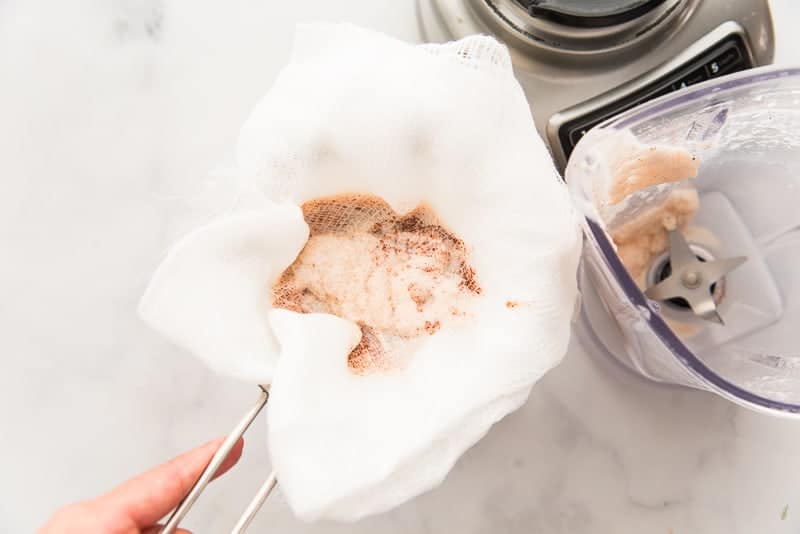
Put a fine-mesh sieve lined with a clean tea towel (or cheesecloth) on a funnel. Straining the coquito through the towel and sieve before curing reduces clumping later.
Carefully pour the liquid through the strainer and into the bottles using the funnel. Leave a 1-inch headspace at the top of each bottle of coquito so you can shake the spices back into it later.
Refrigerate and let the coquito chill for at least forty-eight hours to let the flavors blend and the alcohol mellow. I wouldn’t drink coquito the same day you make it, though it won’t hurt you if you do. It’s always better the next day or a couple of days later.
How to Serve Coquito
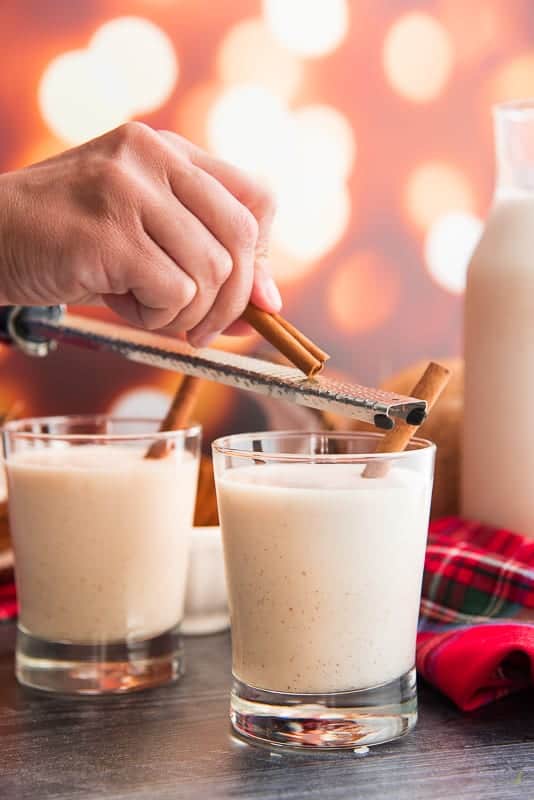
To serve coquito, remove the bottle from the refrigerator and give it a good shake to reincorporate the spices. When using fresh coconut milk, it a separates slightly because it doesn’t contain the stabilizers found in canned coconut milk. Shaking sets everything back in place.
You can serve coquito over ice, but I don’t because it waters down the drink, and I’m trying to enjoy as much of that flavor as possible.
Serve the coquito in old-fashioned glasses with a sprinkle of ground cinnamon, or grate cinnamon sticks over the cocktail for a “bougie-er” touch. To impress coconut lovers, dip the rim of your cocktail glass in a small amount of maple syrup, followed by a dip in coconut flakes to create a coconut rim.
We don’t do all that in our family. The best part is what comes out of the glass, not what it looks like.
How Long Does Coquito Last?
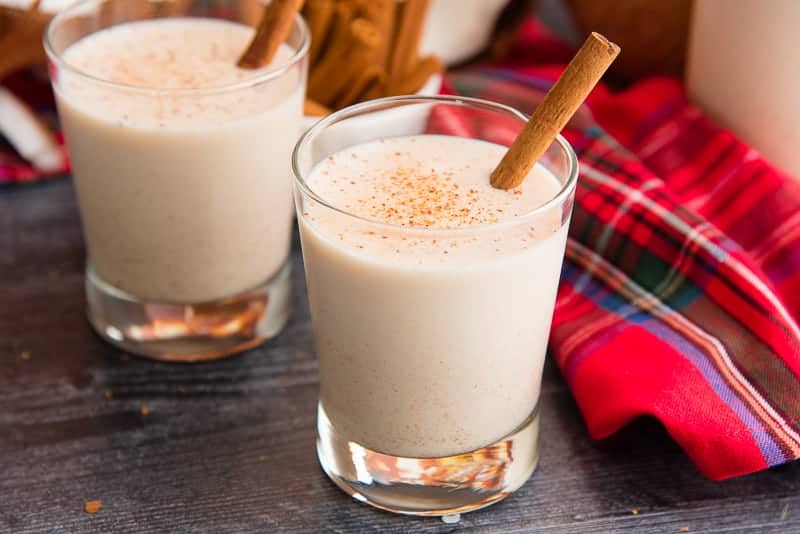
You can store alcohol-based coquito in the fridge for up to 1 month, even with eggs. The longer the coquito cures, the smoother and more profound its flavor is, as with traditional eggnog.
Coquito made without alcohol should be consumed within a week, or 7 days, of mixing it.
Can I Freeze Coquito?
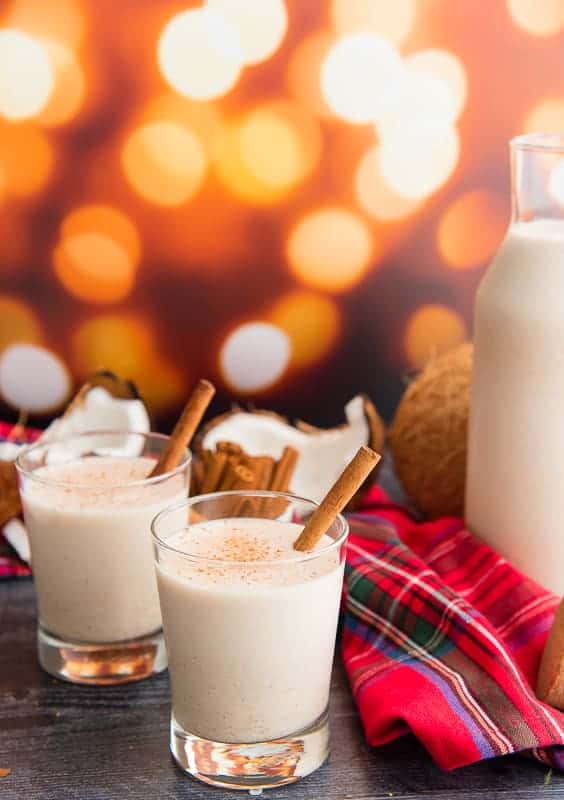
Coquito that contains alcohol can be frozen for more than one year in a freezer-safe bottle or airtight container. The alcohol in the drink will keep it from freezing solid, and the consistency will be more like a milkshake.
Virgin coquito will freeze solid, so store it in a freezer-safe container for up to one year.
Thaw frozen coquito in the fridge when you’re ready to enjoy it, and shake well to mix evenly.
Try this Coquito Frozen Custard recipe if you’re into frozen coquito. It’s a richer version of homemade coconut ice cream.
What Other Ways Can I Enjoy This Recipe?
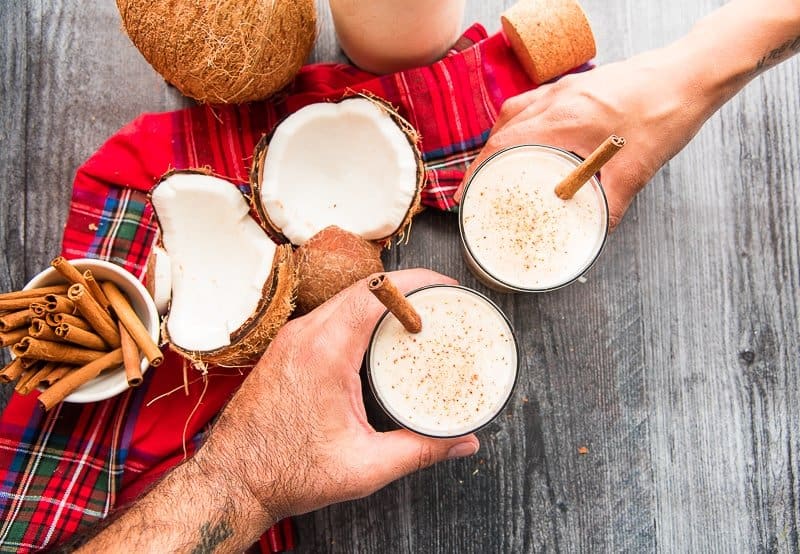
I’m the queen of coquito recipes. Here are some other recipes to use it in:
- Coquito Tres Leches is a Puerto Rican version of one of Latin America’s traditional dishes.
- This Coquito Cheesecake has a cult following.
- Coconut-Rum Cream Pie has the flavors you know and love from the cocktail.
Here is a post with all my Coquito Recipes.
Coquito FAQs
Can I Use Coconut Cream Instead of Cream of Coconut in Coquito?
Cream of coconut is not the same as coconut cream. Coconut cream doesn’t have sugar, and cream of coconut is sweetened. Make sure you’re picking up cream of coconut for this recipe.
Do I Need a Blender to Make Coquito?
No, you can mix coquito by hand, but it may take longer and can separate more easily. For a smoother, more consistent blend, use a hand mixer, immersion blender, or whisk attachment.
Can I Make Coquito With Just One Type of Rum?
Yes, depending on your personal tastes, you can use just one rum. For a lighter flavor, use the white rum. For more caramel notes, use gold rum. If you prefer a spicier flavor, use the spiced rum.
Can I Sell Homemade Coquito?
Noooooooo. Alcohol sales are regulated, and I highly doubt your local jurisdiction allows alcohol sales without a liquor license. Check your state/local liquor laws and licensing requirements before attempting to sell it. Don’t call me for bail money if you get locked up trying to sell it, either.
Do I Have to Cure Coquito?
You can drink coquito right after preparing it; it won’t hurt you, but it tastes best after curing for 48 hours.
With its tropical element of coconut, generous pours of rum, and warm spices, my family’s Authentic Coquito recipe is one I’m proud to share with you and your family this time of year. Christmas Eve isn’t the same without this classic Puerto Rican drink, and it’s one of the easiest recipes you’ll make this holiday season. Remember to share this authentic, original recipe and share it with your friends and family this holiday season. Pin this recipe so you can find it easily for your Christmas batch, too!
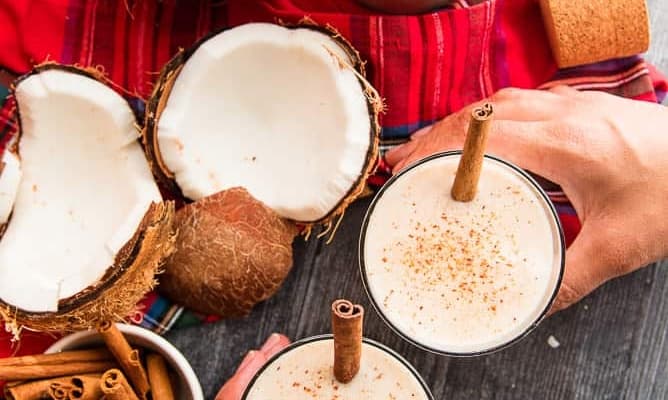
Authentic Puerto Rican Coquito
at Sense & EdibilityEquipment
- Large capacity blender
- 3 750-milliliter bottles (the third bottle won't be filled completely)
Ingredients
- 6 sticks cinnamon (optional, used for bottling)
For the Spiced Tea (optional)- Can Be Made 1 Week Ahead
- 1 cup coconut water or filtered water
- 3 cinnamon sticks
- 2 star anise
- 1 vanilla bean split
- 1 teaspoon whole cloves
- 1/2 teaspoon allspice berries optional
For the Coquito
- spice tea
- 15 ounce can cream of coconut
- 4 cups coconut milk or 2 13.5-ounce cans of coconut milk
- 14 ounce can sweetened condensed milk
- 1 cup white rum
- 3/4 cup gold rum
- 3/4 cup spiced Rum
- 1 teaspoon ground cinnamon
- 1/4 teaspoon ground nutmeg
- 1 teaspoon pure vanilla extract optional
Optional Eggnog Version
- 3 large egg yolks beaten until runny
Instructions
Sanitize Your Bottles
- Fill the bottles with very hot water and allow them to sterilize for 10 minutes. After 10 minutes, discard the hot water from the bottles, then add two or three cinnamon sticks to the bottles. Set aside while you prepare the recipe.
Make the Spice Tea
- Add the coconut water, cinnamon sticks, star anise, split vanilla bean, cloves, and allspice berries to a 2-quart pot. Bring the water to a boil over high heat and allow it to boil for 2 minutes. Turn the heat off and allow the spices to steep in the hot water for 10-15 minutes.
*Instructions for Adding Eggs to Coquito* (optional)
- Add the beaten egg yolks to a small bowl.Temper the yolks by pouring a 1/4 cup of the hot spiced tea into them in a slow trickle while whisking constantly.
- Return the eggs to the saucepan in a slow steady stream, whisking constantly and heat them on low heat for 1 minute, stirring constantly. Add this mixture to the cream of coconut and proceed with the rest of the recipe.
Blend the Coquito
- After 10 minutes of steeping, strain the tea into a blender and add the cream of coconut. Gradually whisk in the warm tea and tempered egg into the mixture, if you're adding them.If your tea feels cool to the touch, heat it again until it steams, then add it to the blender or a bowl with the cream of coconut. Press the paste from the vanilla bean into the tea in the blender after straining the spice tea into the blender.
- Add the coconut milk, condensed milk, all three rums, ground cinnamon, nutmeg, and vanilla extract (which is optional) to the blender with the spice tea and cream of coconut. Blend the ingredients for 1 minute on medium-low speed until smooth.
Bottle and Cure the Coquito
- Put a fine-mesh sieve lined with a clean tea towel on a funnel. Carefully pour the liquid through the strainer and into the bottles using the funnel and leaving a 1-inch headspace at the top of each bottle of coquito so you can shake the spices back into it later.
- Refrigerate and let the coquito chill for at least forty-eight hours to allow the flavors to blend and the alcohol flavor to mellow out.
Garnish and Enjoy Responsibly
- To serve coquito, remove the bottle from the refrigerator and give it a good shake to reincorporate the spices. Serve the coquito in old-fashioned glasses with a sprinkle of ground cinnamon or use a microplane to grate cinnamon sticks.
Notes
-
Tea-less Coquito:
Replace the whole spices with the following:
- 1 1/2 teaspoon ground cinnamon
- 1 teaspoon vanilla extract
- 1/2 teaspoon ground ginger
- 1/4 teaspoon ground nutmeg
- 1/4 teaspoon ground cloves
- pinch of ground allspice
Add these spices to the coquito omitting the additional ground cinnamon and nutmeg from the recipe.
- For Virgin Coquito:
- To make virgin coquito, replace the rums with more coconut milk or half-coconut milk and half-coconut water (or regular water)or more spice tea.
- Use a box of coconut water if you don’t have fresh, or you can replace it with plain water.
- You can omit the vanilla bean if you don’t have one and add the optional vanilla extract to the blender with the rums later.
- You can replace the gold and spiced rum in this recipe with light rum if you prefer to keep it simple.
- Make a more potent version by using 151.
- Palo Viejo, Don Q, Ron del Barrilito, or Bacardí, which is Cuban-born, are rums made in Puerto Rico.
- You can make dairy-free or vegan coquito by replacing the sweetened condensed milk with condensed coconut milk.
- Use soy milk, almond milk, or oat milk if you decide to replace the optional canned coconut milk in this recipe with evaporated milk.
- Don’t add eggs if you want to make this a vegan coquito recipe.
- Omit the cinnamon sticks if you don’t keep them on hand.
- It’s helpful if the spice tea is still warm so it can melt the fat cap that usually tops the cream of coconut.
- Virgin coquito has a shorter shelf-life because there’s no alcohol to ward off bacteria. You’ll have to consume the virgin drink within 7 days of making it.
- The chunks (or lumps) in the coquito are from coconut fat in the cream of coconut. Shaking the can of cream of coconut and warming it with the spice tea will reduce the chunkiness.
- Cream of coconut is a sweetened, thick coconut product used to add both coconut flavor and sweetness to cocktails and desserts. It is not the same thing as coconut cream or canned coconut milk.
- When using fresh coconut milk, a small amount of separation occurs because it doesn’t contain the stabilizers as canned coconut milk.
- You can serve coquito over ice, but it waters down the drink.
- To impress coconut lovers, dip the rim of your cocktail glass in a small amount of maple syrup, followed by a dip in coconut flakes to create a coconut rim.
- You can store coquito made with alcohol in the fridge for up to 1 month, even with the addition of eggs. The longer the coquito cures, the smoother and more profound its flavor is, as with traditional eggnog.
- Coquito made without alcohol should be consumed within a week, or 7 days, of mixing it.
- Coquito that contains alcohol can be frozen for more than one year in a freezer-safe bottle or airtight container. The consistency will be more like a milkshake instead of freezing solid.
- Virgin coquito freezes solid, so store it in a freezer-safe container for up to one year.
- Thaw frozen coquito in the fridge when you’re ready to enjoy it, shaking it well to mix it evenly.
 .
.

What brand of rum do you recommend?
I use Bacardí because it’s the only brand that I can get all three rums in here. Don Q is a Puerto Rican brand of rum I have used in the past, as well. As long as they’re quality rums, the brand doesn’t matter, since you’re mixing them into a cocktail.
Hello Marta and thank you for the recipe. I’m planning on a trial run
next week for this recipe well before the holidays… actually I just love Coquito and I’m dying to make it home-made😁. I was wondering how long you steep the tea ingredients for? I like my teas strong and usually steep mine over night but I don’t want to kill the flavor of the Coquito with spices. Definitely planning on the cheese cake too!!
Gretchen, I boil the spices for 2 minutes, then steep them for 15 more. Hope you try it soon!
This recipe has become my new holiday gift giving tradition. It’s easy to follow and taste amazing!! Thanks you Chef Marta for sharing your gifts and talents with us all❤️🥥🇵🇷
You are too kind, Theresa. Thank you!
Hey! As a boricua abroad, i cannot get my hands on cream of coconut. Any advice?
Hey there. You can just make a coconut simple syrup. In a saucepan, stir together 1 14-ounce can of coconut milk and 3/4 cups of sugar. Bring it up to a simmer over medium heat, while stirring to dissolve the sugar. This is a quick cream of coconut cheat.
Christianne,
Look for a local Asian market. You can always try Amazon…https://amzn.to/30TOlMG
*As an Amazon affiliate I may earn a commission on products purchased through these links.*
Hello, I’m planning on making this recipe but I have a question about the water for the tea. In the section about how you flavor it you mention using 1/2 cup of water. But in the recipe’s ingredient list it says 1 cup. What should I use?
1 cup, but don’t worry if it doesn’t measure 1 cup after you strain it. Between evaporation and the spices soaking up some of the water you can end up with anywhere between ½-¾ cup. Just use whatever you end up with but start with 1 cup of liquid.
Made it and it was a hit! So great with the tea!
YAY! So glad you did it with the tea. It adds so much flavor without mucking up the coquito! Enjoy it!
Love your web page!
Thanks so much